Understanding the Odds
When discussing casinos, one of the first concepts to grasp is the odds of winning. Many players step into a casino believing they can outsmart the games based on strategy or sheer luck. However, each game is designed with a statistical advantage for the house, known as the house edge. This means that over time, the casino will always win more than it loses, regardless of how skilled or lucky the player may be. For example, slot machines are designed to return a certain percentage to players over millions of spins, encouraging the myth that players can manipulate outcomes. Those interested in exploring different options might consider bitcoin betting sites which offer unique advantages. Understanding this principle is essential for setting realistic expectations when entering a casino.
Another misconception is the belief that certain games, like poker or blackjack, inherently provide better odds for winning. While skill does play a significant role in these games, the reality is that even the best players still experience losses. The concept of variance comes into play; even with perfect strategy, there are no guarantees of winning every time. Mathematically, the house always maintains an edge, which can be disheartening for newcomers who assume that knowledge of the game would assure them a steady income. This understanding should inform a player’s mindset and expectations on the casino floor.
Ultimately, realizing that every game in a casino is a gamble can reshape a player’s approach. The outcome is uncertain, which is what makes gambling exciting but also risky. A balanced perspective that includes the acceptance of loss and the understanding of odds can enhance the gaming experience. Enjoying the entertainment value of gambling should become the primary focus, rather than chasing unrealistic winnings. By recognizing these odds, players can engage more responsibly and effectively in their gaming pursuits.
Luck vs. Skill: The Balancing Act
In the world of casinos, the debate over luck versus skill is perennial. Players often believe that luck can be harnessed or manipulated in their favor. Stories abound of players who hit jackpots seemingly by sheer chance. However, the reality is that while luck certainly plays a role, skill is a crucial component in many casino games. In games like poker, successful players use psychological tactics and strategic decision-making that significantly increase their chances of winning. This blend of skill and intuition often differentiates the casual player from the seasoned pro.
On the other hand, games purely based on luck, such as slots and roulette, showcase the unpredictability of chance. These games are exciting because they do not require extensive knowledge or practice; however, they are also where players can lose their money the fastest. Understanding the distinction between skill-based games and those reliant on luck will help players make more informed choices about where to invest time and money, ultimately leading to a more enjoyable experience. The thrill of chance draws many players in, but recognizing the inherent risks is crucial.
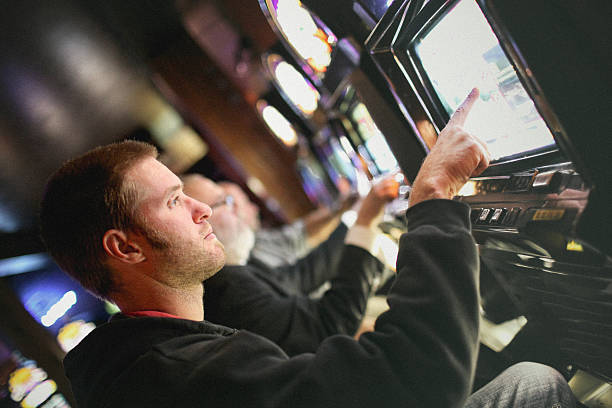
The dichotomy between luck and skill is not just about winning or losing, but also about the overall experience. Many players find joy in honing their skills in strategic games, while others revel in the thrill of risk that luck-based games offer. Acknowledging this balance can help players manage expectations and enjoy their time at the casino, regardless of the outcome. Essential to this journey is understanding that both luck and skill contribute to the casino experience, though at different levels depending on the game. This nuanced perspective fosters a deeper appreciation for the diverse offerings of the casino environment.
The Influence of Casino Design
The physical environment of a casino is meticulously designed to enhance the gambling experience. Every element, from lighting, sounds, and layout, is strategically placed to promote play and prolong the stay of patrons. Research indicates that casinos often use bright flashing lights and engaging sounds to create an atmosphere that stimulates excitement and anticipation. The layout is typically designed to keep players in a loop, making it easy to lose track of time and expenditure. This sensory overload can create a euphoric state, encouraging players to keep betting and extending their visits.
Moreover, the placement of games and amenities greatly influences players’ choices. For example, putting popular slot machines near entrances can attract more players, while high-stakes tables are often located deeper in the casino to give a sense of exclusivity. This design strategy can often lead to players spending more than they intended. Recognizing these tactics can empower players to make more conscious decisions about their time and money while gambling. Being aware of such psychological triggers can lead to a more measured and informed approach to gaming.
Additionally, casinos often introduce promotions and rewards programs that can lure players into frequenting their establishments. These programs create a false sense of loyalty, as players may believe they are gaining advantages by continuing to play. Understanding the psychology behind casino design can lead players to approach their gaming experience with more awareness and caution, thereby enhancing their enjoyment without falling prey to the traps set by these environments. This awareness can transform a player’s experience from one of passive participation to active engagement in their choices.
The Role of Gambling Myths
Gambling myths abound in the casino world and can significantly influence a player’s approach to games. One common myth is the belief that streaks exist, where players think that a series of losses must eventually lead to a win. This belief can lead to reckless betting, as players chase losses in hopes that luck will turn in their favor. The reality is that each game round is independent; past outcomes have no bearing on future results, a concept known as the gambler’s fallacy. Understanding this principle can help players avoid making emotionally driven decisions that may lead to greater losses.
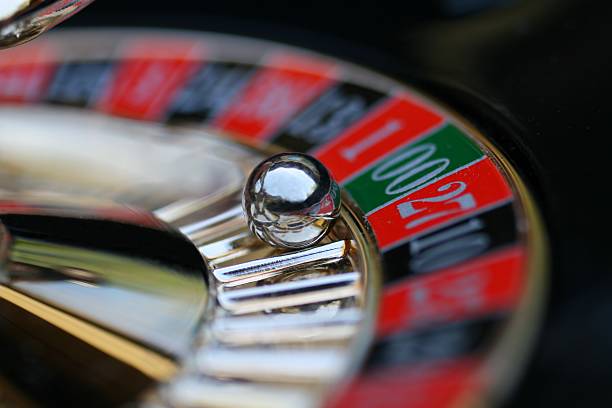
Another pervasive myth is that certain betting systems, like Martingale or Paroli, can lead to guaranteed winnings. While these systems can create short-term success, they do not alter the underlying odds of the games. Players can quickly find themselves in financial troubles, risking substantial sums in the pursuit of profits that the system cannot assure. Discerning these myths from reality is crucial for maintaining a healthy approach to casino games. An informed player is more likely to engage with the games in a strategic manner rather than relying on superstition.
Myths often thrive due to anecdotal success stories and the allure of shortcuts to winning. However, recognizing the difference between myth and fact can enhance a player’s understanding of gambling. An informed player is less likely to fall into the traps of misconception and more likely to approach their gaming with a strategic mindset focused on enjoyment rather than merely winning. Learning to dispel these myths fosters a more responsible gambling environment, encouraging players to seek knowledge and understanding over blind luck.
Choosing the Right Casino for Your Experience
Choosing a casino can significantly impact your overall gaming experience. Factors to consider include the variety of games offered, the reputation of the establishment, and the amenities available. A casino that provides a wide range of games, such as table games and slots, can cater to different player preferences, creating a more enjoyable experience. Additionally, casinos that prioritize customer service and player satisfaction often contribute to a more positive atmosphere. This attention to detail can elevate a simple gaming night into a memorable outing.
The atmosphere of a casino is just as important as the games offered. Some players prefer a vibrant, bustling environment, while others may seek a quieter, more intimate setting. Understanding your preferences can guide you in selecting the right casino for your next night out. Furthermore, exploring online casinos that offer virtual games can provide an alternative experience that combines convenience with the thrill of traditional gambling. This flexibility allows players to enjoy games from the comfort of their own homes while still engaging with the casino experience.
Additionally, safety and security measures at a casino should not be overlooked. Players should feel secure in their environment, knowing that their personal and financial information is protected. A reputable casino will invest in security features and be transparent about its policies. Ultimately, finding the right casino involves a combination of personal preference, reputation, and the assurance of a safe and enjoyable gaming experience. This thorough consideration ensures that players can focus on the fun aspects of gambling without undue stress or concern.
Recent Comments